


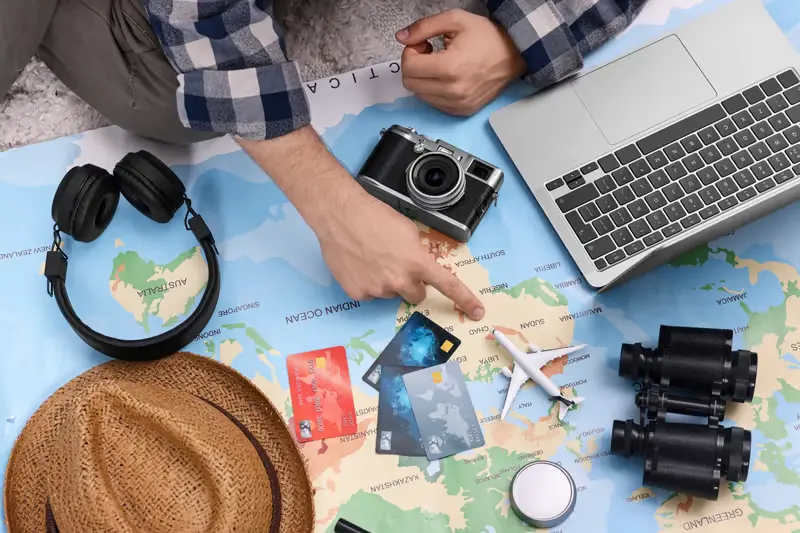
Travel has changed far beyond booking a flight, reserving a hotel, and visiting famous landmarks. Picture a couple planning a week in Europe. Instead of choosing destinations from a traditional travel brochure, they watch short videos, compare hotel reviews, check restaurant recommendations, and study local transport options. They may choose a smaller town over a famous city because it looks less crowded and offers more authentic experiences.
This kind of decision-making reflects modern tourism behavior. Travelers are influenced by technology, personal interests, financial conditions, social media, cultural curiosity, and growing awareness of environmental issues. Their expectations also vary according to age, income, travel experience, and the purpose of a trip.
Understanding these influences helps tourism businesses, destination managers, hotels, and travel professionals respond to changing demand. This article explores the main forces shaping travel decisions, how visitors behave in popular destinations, and what tourism providers can do to create better experiences while protecting local communities.
The Changing Landscape of Modern Tourism
Tourism has become a major global economic activity, connecting transportation, accommodation, food services, entertainment, retail, and cultural industries. Its scale also shows how quickly traveler demand can influence destinations.
According to UN Tourism, international tourist arrivals reached approximately 1.52 billion in 2025, representing a 4% increase compared with 2024. Europe received around 793 million international tourists, while Asia and the Pacific recorded 331 million. These figures show the scale of global travel and the continued importance of established and emerging destinations.
However, visitor numbers alone do not explain why people travel or how they behave after arriving. Some seek relaxation, while others prioritize adventure, food, heritage, shopping, or social experiences. Modern tourism behavior reflects this growing diversity of motivations.
From Traditional Sightseeing to Experience-Based Travel
Traditional tourism often centered on famous attractions and organized sightseeing schedules. Many travelers still enjoy iconic landmarks, but they increasingly want activities that feel personal and memorable.
A visitor to Italy might combine a visit to the Colosseum with a neighborhood food tour or a small cooking class. Someone visiting Thailand may spend less time in large shopping centers and more time exploring local markets, beaches, and cultural activities.
This shift creates opportunities for destinations to offer more than recognizable attractions. Local guides, independent restaurants, craft workshops, and community-based experiences can become important parts of a visitor’s decision.
More Independent and Flexible Travel
Travelers now have access to a wide range of planning tools, comparison platforms, and booking services. This makes independent travel easier for people who prefer to build their own itineraries.
Some visitors still choose guided tours for convenience and local expertise. Others combine independent exploration with selected organized activities. Modern tourism behavior is therefore not defined by one preferred travel style. Flexibility and control have become important expectations across different market segments.
Digital Technology and Social Media Influence
Digital technology affects nearly every stage of a modern trip. Travelers use online platforms to discover destinations, compare prices, evaluate accommodation, book experiences, and share feedback after returning home.
For tourism businesses, the digital experience can influence whether a potential customer makes a reservation or chooses a competitor.
Social Media and Travel Inspiration
Platforms such as Instagram, TikTok, YouTube, and Pinterest expose users to destinations they may never have considered. A short video of a coastal village, mountain railway, or local food market can inspire someone to research a trip.
Visual content can also create expectations that are difficult for real destinations to meet. A visitor may arrive at a famous viewpoint expecting an empty landscape, only to find large crowds and long queues.
Tourism providers should use attractive but accurate content. Showing realistic travel conditions, seasonal differences, access requirements, and local customs helps visitors make informed decisions.
Reviews, Ratings, and Online Reputation
Online reviews influence decisions about hotels, restaurants, tour operators, and attractions. Travelers often compare several providers before spending money, especially when booking an unfamiliar destination.
A hotel with excellent photographs but repeated complaints about cleanliness may lose bookings to a less visually impressive competitor with stronger service reviews.
Businesses should monitor feedback and respond professionally. A thoughtful response to a complaint can demonstrate accountability, while repeated unresolved problems can damage trust. Reviews also provide useful operational information about check-in delays, accessibility, staff communication, and service quality.
Artificial Intelligence and Personalized Planning
Travel planning tools increasingly use artificial intelligence to suggest destinations, compare options, and organize itineraries. These systems can help visitors save time, especially when planning multi-city trips or traveling with different interests and budgets.
However, automated suggestions are not always accurate. Opening hours, transport schedules, visa rules, and entry requirements can change. Travelers should confirm important details through official sources before making non-refundable bookings.
For tourism businesses, personalization can improve customer service when it uses reliable information and respects privacy. A hotel might recommend nearby family activities to guests traveling with children rather than sending every visitor the same generic list.
Personal Motivations Behind Travel Decisions
Technology may introduce a destination, but personal motivation often determines whether someone actually books the trip. Travelers have different reasons for leaving home, and those reasons influence their choice of accommodation, activities, transport, and spending.
Culture, Heritage, and Local Experiences
Cultural tourism attracts visitors interested in architecture, history, art, festivals, food, and local traditions. Cities such as Kyoto, Rome, Istanbul, and Marrakech appeal to travelers who want to understand the stories behind historic places and everyday customs.
Many visitors now look beyond major monuments. They may attend a traditional performance, visit a neighborhood market, learn local cooking techniques, or speak with a local guide. These activities can create a stronger connection with the destination.
Tourism businesses can respond by working with local communities rather than presenting culture as a product detached from its origins. Authentic experiences should respect local customs, pay contributors fairly, and avoid turning sensitive traditions into entertainment without community involvement.
Adventure, Nature, and Outdoor Activities
Some travelers choose destinations because they offer activities that are difficult to experience at home. Hiking, diving, skiing, wildlife observation, cycling, and water sports can become the main purpose of a trip.
For example, a traveler visiting Nepal may plan around trekking routes, weather conditions, and access to experienced guides. Someone visiting the Maldives may prioritize diving conditions, marine life, and boat transfers.
Safety and responsible management are essential in these settings. Tour operators should explain physical requirements, equipment standards, environmental rules, and emergency procedures before accepting bookings.
Wellness and Restorative Travel
Wellness tourism includes trips designed around relaxation, health-related experiences, fitness, and personal restoration. Visitors may choose spa resorts, yoga retreats, nature lodges, thermal baths, or quiet coastal destinations.
This interest does not mean every wellness traveler expects a luxury retreat. Some simply want a peaceful accommodation option, access to outdoor activities, and a break from demanding routines.
Tourism providers should explain what their wellness services actually include. Clear descriptions help distinguish professional services from unsupported health claims and allow guests to choose experiences that suit their needs.
Economic Factors and Changing Travel Budgets
Travel decisions are closely linked to household income, inflation, exchange rates, transport costs, and the availability of affordable accommodation. Even travelers with strong interest in a destination may postpone or change their plans when prices rise.
UN Tourism has identified high travel costs and inflation in tourism services among the challenges affecting international travel demand. Its reporting also indicates that visitors continue to seek value for money despite strong global demand.
UN Tourism+1
Value Matters More Than the Lowest Price
Modern tourism behavior does not always mean choosing the cheapest option. Many travelers are willing to pay more when they believe the experience justifies the expense.
A family comparing two hotels may choose the more expensive property if it includes breakfast, airport transfers, family rooms, and convenient access to attractions. A solo traveler might pay extra for a centrally located hotel to reduce transport costs and save time.
Tourism businesses should communicate value clearly. Transparent pricing, accurate photographs, realistic service descriptions, and clear cancellation conditions help customers understand what they are purchasing.
Flexible Travel Dates and Alternative Destinations
Travelers increasingly compare different seasons, departure days, and nearby destinations to manage their budgets. A visitor planning a summer holiday in a crowded European city might consider traveling in spring or autumn instead.
This can benefit destinations that attract visitors outside traditional peak periods. Hotels may experience more stable demand, while local businesses can earn revenue across a longer part of the year.
Travel professionals can encourage this behavior by explaining seasonal differences rather than simply promoting the busiest travel dates. Weather, local events, transport availability, and attraction schedules should all inform recommendations.
Sustainability and Responsible Tourist Behavior
Environmental awareness has become an important part of tourism discussions. Travel can support local employment and conservation, but it can also create pressure on water supplies, waste systems, natural habitats, and historic neighborhoods.
Responsible tourism requires more than asking visitors to reuse towels. It involves decisions by governments, tourism businesses, transport providers, and travelers.
Environmental Awareness and Sustainable Choices
Some travelers consider environmental impact when selecting accommodation, transport, and activities. They may prefer rail journeys where practical, locally owned businesses, low-impact tours, or accommodation with credible environmental management practices.
However, sustainability claims need evidence. A hotel describing itself as environmentally friendly should be able to explain its water management, energy use, waste reduction, and purchasing practices.
Tourism businesses should avoid vague claims that exaggerate environmental benefits. Clear information about measurable actions is more useful than attractive labels without supporting details.
Overtourism and Pressure on Popular Destinations
Overtourism occurs when visitor activity places excessive pressure on a destination’s environment, infrastructure, residents, or cultural resources. The issue is not simply that many people visit a place. It is whether tourism activity exceeds what local systems and communities can manage responsibly.
Venice provides a useful example of the challenges involved. Large visitor numbers can place pressure on narrow streets, public transport, historic sites, and everyday community life. Managing visitor flows, encouraging respectful behavior, and supporting residents are all important parts of a long-term response.
Tourism authorities can spread demand through timed entry, visitor information, alternative routes, seasonal promotion, and better transport planning. Travelers can contribute by avoiding restricted areas, respecting local rules, and exploring less crowded neighborhoods when appropriate.
Supporting Local Communities
Responsible visitors can make a positive contribution by using locally owned accommodation, hiring qualified local guides, buying regional products, and following cultural expectations.
Consider a traveler visiting a small coastal town. Choosing a family-run guesthouse and eating at neighborhood restaurants can direct more tourism spending toward local businesses. The same trip may have a different economic impact if most spending goes to large external operators.
Community participation should also influence tourism development. Residents need a voice in decisions about new attractions, visitor limits, transport projects, and the use of public spaces.
How Popular Destinations Shape Tourist Behavior
A destination’s identity, infrastructure, climate, safety, and visitor services influence how travelers behave. The same person may follow a very different routine in a major city, a remote mountain region, or a beach resort.
Urban Destinations and Short-Stay Tourism
Cities such as Paris, London, Singapore, and New York attract visitors through museums, shopping, entertainment, business events, restaurants, and cultural landmarks.
Urban travelers often value convenience. They may plan routes around public transport, walkable neighborhoods, attraction opening times, and restaurant reservations. Short-stay visitors also tend to prioritize activities that fit limited schedules.
Tourism managers can improve these experiences through clear transport information, multilingual signage, accessible facilities, and reliable booking systems. Distributing visitors across different neighborhoods can also reduce pressure on a small number of famous sites.
Natural Destinations and Seasonal Travel
Mountain regions, islands, national parks, and coastal areas attract visitors through scenery and outdoor recreation. Their tourism patterns are strongly affected by weather, daylight, wildlife conditions, and seasonal access.
For example, a traveler planning a trip to Iceland may need to consider winter road conditions, daylight hours, and changing weather. A beach visitor may plan around monsoon periods, water conditions, or seasonal restrictions on marine activities.
Accurate information helps travelers prepare and reduces avoidable risks. Destination websites and tour operators should communicate access limitations, safety guidance, and environmental rules before visitors arrive.
Safety, Convenience, and Accessibility
Safety influences destination selection, booking decisions, and behavior during a trip. Travelers consider political stability, health services, transport reliability, crime levels, weather risks, and emergency support.
Travel Confidence and Reliable Information
Visitors are more comfortable booking when they can find clear information about entry requirements, local transport, insurance, health precautions, and emergency contacts. Uncertainty can lead travelers to choose a different destination or purchase more flexible bookings.
Tourism providers should maintain accurate information and avoid minimizing genuine risks. Hotels can explain emergency procedures, tour operators can provide safety briefings, and destination authorities can publish reliable travel updates.
For example, a family traveling with young children may prioritize accommodation near medical facilities and attractions with accessible transport. These practical considerations can matter more than the destination’s popularity.
Accessibility and Inclusive Tourism
Accessible tourism considers the needs of travelers with disabilities, older visitors, families with young children, and people with temporary mobility limitations. It includes accessible accommodation, transport, public spaces, attractions, and communication.
A hotel may advertise accessible rooms, but travelers need specific details about entrance access, bathroom design, lifts, and available assistance. Clear information helps visitors decide whether a property meets their actual requirements.
Modern tourism behavior increasingly reflects individual needs rather than a single standard travel experience. Businesses that provide accurate accessibility information can serve more customers and improve the quality of their services.
What Tourism Businesses Can Do to Adapt
Changing visitor expectations create both opportunities and operational challenges. Hotels, tour operators, destination managers, and travel agencies need to understand what influences decisions before, during, and after a trip.
Use Visitor Data Responsibly
Booking patterns, customer feedback, website activity, and seasonal demand can help businesses understand visitor preferences. A tour operator might discover that travelers increasingly request smaller group experiences or flexible departure times.
However, data should be collected and used responsibly. Businesses must respect privacy requirements, protect customer information, and avoid making assumptions about individuals based only on broad demographic categories.
Improve the Complete Visitor Experience
A positive trip involves more than the main attraction. Transport arrangements, check-in procedures, staff communication, cleanliness, accurate descriptions, and complaint handling all influence satisfaction.
Consider a visitor who books a guided city tour after reading excellent reviews. If the guide arrives late, the group is too large, and the itinerary differs from the advertised schedule, the experience may disappoint even if the attractions themselves are impressive.
Tourism providers should review the entire customer journey. Clear communication before arrival, dependable service during the visit, and useful follow-up support can encourage repeat bookings and positive recommendations.
Create Experiences That Respect Local Identity
Destinations should avoid copying the same tourism model everywhere. A successful experience in a major shopping city may not suit a rural heritage community or a protected natural area.
Local food, crafts, history, landscapes, and community knowledge can provide a distinctive identity. Businesses should work with residents to develop experiences that generate income without damaging cultural resources or everyday life.
This approach also supports healthier modern tourism behavior. Visitors receive a more meaningful experience, while communities retain greater influence over how tourism develops.
Conclusion: Understanding the Future of Global Travel
Modern tourism is shaped by personal motivations, digital technology, economic conditions, cultural interests, safety, and environmental awareness. Travelers want convenience, value, meaningful experiences, and reliable information. At the same time, popular destinations must manage crowding, protect local communities, and maintain the resources that attract visitors.
Understanding modern tourism behavior helps businesses move beyond simply attracting more arrivals. It encourages better service, responsible marketing, flexible experiences, and stronger community involvement.
For travelers, the practical lesson is to research carefully, respect local customs, consider seasonal conditions, and make informed choices. For tourism professionals, success depends on understanding changing expectations while protecting the long-term value of each destination.