
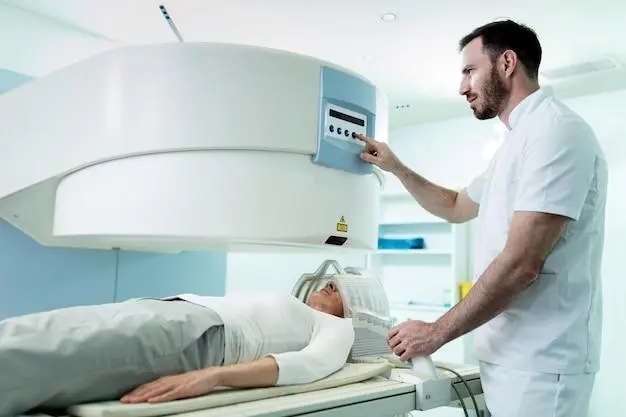
MRI scanners are among the most sensitive and expensive devices in any hospital or imaging center. They rely on stable electricity to produce clear images, protect patients, and keep cooling systems running. Choosing reliable power protection for mri equipment helps prevent downtime, costly repairs, and interrupted scans. Understanding the key features to look for can help facilities make safe, informed purchasing decisions.
1. Effective Surge Protection
Sudden voltage spikes from lightning, grid switching, or nearby equipment can damage delicate electronics. Good power protection for mri systems begins with surge suppression that reacts quickly and handles repeated events.
Multi-stage protection at the main panel and equipment level adds an extra safety layer. Quick response times matter because damage can occur within fractions of a second.
2. Voltage Regulation and Power Conditioning
Even small voltage sags, swells, or electrical noise can affect image quality and system performance. Strong power protection for mri scanners includes voltage regulators and conditioners that deliver clean, steady power.
This stability supports consistent imaging and reduces stress on sensitive internal components. Clean power also helps protect expensive electronics from premature wear.
3. Reliable Backup Power Options
Utility outages can happen without warning. When evaluating power protection for mri suites, look for uninterruptible power supplies, backup generators, and automatic transfer switches that work together.
Backup power should also support cooling equipment, since a loss of cooling can create serious and expensive problems. Regular testing confirms that backup systems will start when they are needed.
4. Proper Capacity and Scalability
A protection system must be sized for the actual electrical load of the scanner and supporting equipment.
Reliable power protection for mri installations leaves room for future upgrades, so facilities do not need to replace everything when adding new technology. Always follow the scanner manufacturer’s electrical requirements.
5. Monitoring and Alert Features
Real-time monitoring helps staff detect problems before they become failures. Modern power protection for mri equipment may include remote dashboards, event logs, and instant alerts for voltage problems or battery issues.
These tools support faster responses and better maintenance planning. Trend data can also reveal slow problems that are easy to miss.
6. Certified Installation and Maintenance Support
Even the best equipment needs proper installation and regular service. Dependable power protection for mri facilities should come with qualified engineers, clear warranties, scheduled testing, and responsive technical support.
Routine battery checks and generator tests help ensure the system works during emergencies.
Final Thoughts
Investing in proper power protection for mri equipment safeguards patients, staff, and valuable medical technology. Compare surge protection, voltage regulation, backup power, monitoring, and service support before choosing a solution. Work with experienced professionals who understand healthcare facilities and the scanner manufacturer’s requirements. Remember that needs, regulations, and costs vary by site and equipment, so seek qualified engineering advice. Regular testing and maintenance will keep the system ready when it matters most. A reliable setup can reduce downtime and protect your investment for many years. Contact a trusted specialist today to review your facility and plan the right protection.