

Emergencies can happen unexpectedly at home, in your workplace, in a public space, or on the road. It can be anything, like an accident, severe weather, equipment failures, or sudden health problems. Having the right supplies available all the time can help you manage any immediate risks while waiting for professional assistance.
You should know what type of equipment should be used in which situations. This blog outlines different types of emergency equipment used in unexpected situations.
First Aid Kits for Immediate Medical Assistance
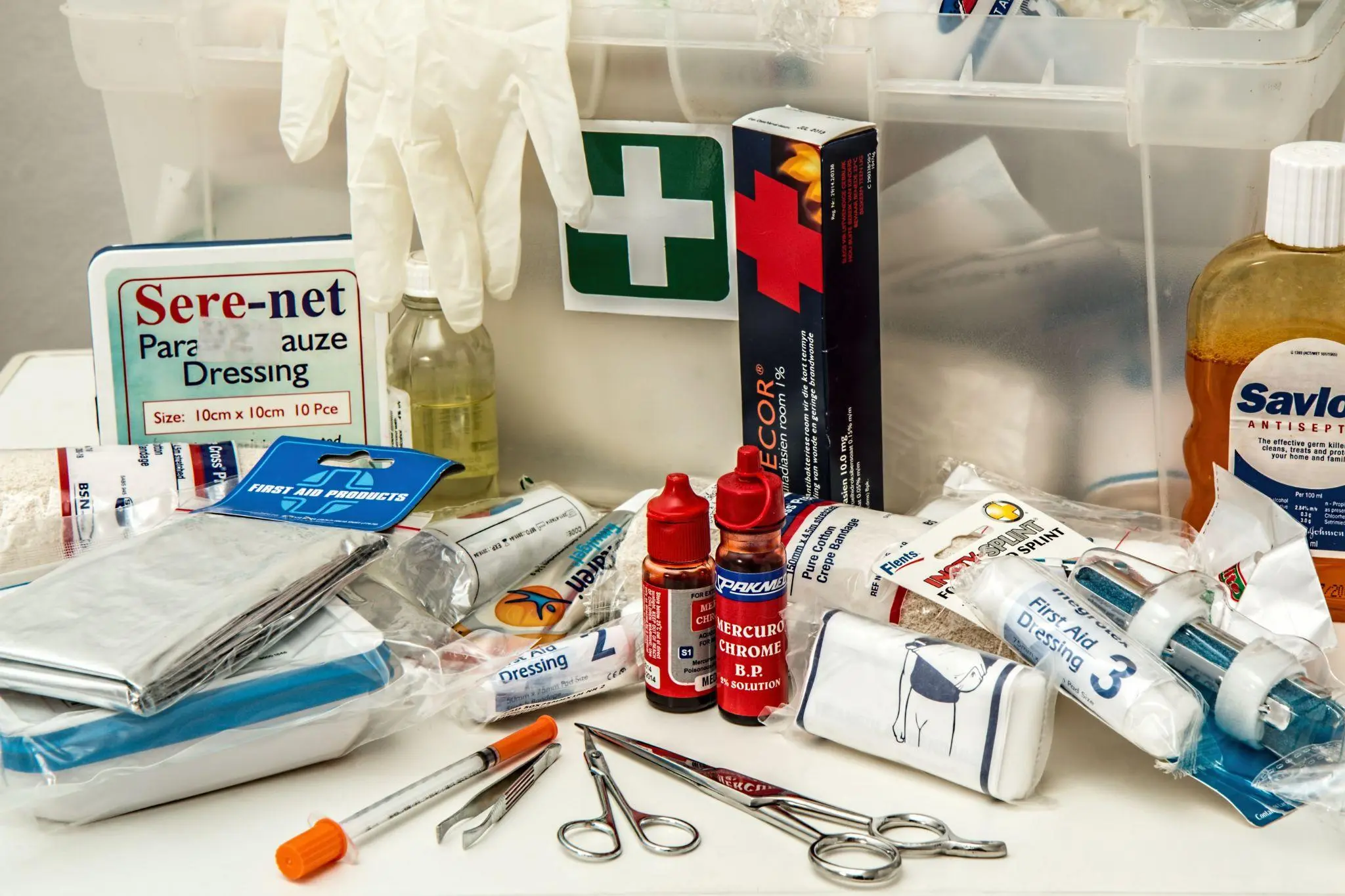
First aid kits are one of the most useful types of emergency equipment. Every building, whether it’s your house, workplace, or school, should have a first aid kit for immediate medical assistance. Even your vehicle should have a fully stocked kit. It can help you manage small wounds, burns, cuts, or other minor injuries.
However, you should check supplies regularly to replace used or expired items. It is also important for household members and employees to know basic first aid so they can use available supplies properly.
Fire Extinguishers for Controlling Small Fires
Every residential and commercial space has fire extinguishers. They are designed to control small fires before they spread and cause destruction. Different extinguishers are suitable for different fire classes; therefore, it is important to choose the right type.
For example, some extinguishers are for fires involving ordinary materials, like paper and wood. Others are designed for electrical equipment or flammable liquids. You should understand the instructions printed on the extinguisher and know where it is stored.
Emergency Equipment for Power Outages
Power outages also need emergency equipment, so that you can manage sudden situations safely. Situations like storms, electrical faults, or problems with local power supply need emergency equipment.
You should keep useful supplies, like flashlights, spare batteries, portable power banks, and radios that use batteries. These items can provide lighting, and you can receive important updates while the power is still out.
Smoke Detectors and Carbon Monoxide Alarms
Carbon monoxide alarms and smoke detectors play a crucial role in protecting you from household hazards. Smoke detectors alert you immediately when there’s smoke. An early warning can help you evacuate the house early in case there’s a fire.
Carbon monoxide alarms rapidly detect the presence of carbon monoxide. It is a colorless and odorless gas that can be dangerous when inhaled. It is important to have these devices installed properly and in the right locations. Make sure to keep checking batteries and test the alarms to see if they are working correctly.
Fire Blankets for Small Fire-Related Incidents
You should also have fire blankets accessible. They are designed to control small fires by covering them and cutting their access to oxygen. They are made from fire-resistant materials and should be kept in kitchens, workshops, and other areas where fire risks are present.
They are useful for specific incidents, like when you encounter a small fire while cooking in the kitchen. You can quickly grab the blanket and cover the fire so it doesn’t spread to other areas. You should also learn how to use these blankets correctly during an emergency.