

Finding something interesting to do does not always require weeks of planning. A neighborhood festival, live music performance, food market, art exhibition, or community gathering can turn an ordinary day into a memorable experience. The challenge is knowing what is taking place, where to find reliable details, and how to choose an outing that suits your time and interests.
The search for events happening today reflects a growing preference for flexible experiences. People want activities that fit their schedules, bring them closer to their communities, and offer something enjoyable without complicated arrangements. However, successful last-minute planning involves more than finding an event listing. It requires checking current information, understanding the atmosphere, considering travel time, and knowing what to expect before leaving home.
Why People Look for Events Happening Today
People search for local activities for different reasons. Some want to fill an unexpected free afternoon, while others are visiting a new city and want to experience its culture. Families may be looking for affordable weekend entertainment, and groups of friends may want a spontaneous alternative to staying indoors. These different motivations make events happening today a broad search with several types of intent.
Convenience is one of the strongest reasons behind same-day event searches. A person who finishes work early may not want to organize an elaborate evening. A nearby outdoor concert or evening food market can provide an enjoyable option with little preparation. The attraction is the ability to make a decision based on current availability rather than committing to a plan far in advance.
Community connection is another important factor. Local gatherings give residents opportunities to meet neighbors, support independent businesses, and learn about activities in their area. Markets, charity events, cultural celebrations, and public workshops can create a stronger sense of belonging. They also allow visitors to understand a place through its people rather than seeing only its major tourist attractions.
Spontaneous outings can also offer variety. People often repeat familiar routines because choosing something new takes effort. Searching for events happening today introduces alternatives that might otherwise go unnoticed. A small photography exhibition, a local sports match, or a public performance may become the highlight of the day simply because someone was willing to explore.
Where to Discover Local Events and Activities
Online Event Platforms and Local Listings
Digital event platforms are often the quickest starting point for finding nearby activities. Event calendars, ticketing websites, venue pages, and local discovery platforms allow users to search by date, location, category, and price. These filters reduce irrelevant results and make it easier to identify activities that fit a particular schedule.
However, an event listing should be treated as a starting point rather than complete confirmation. Organizers sometimes change start times, move outdoor activities indoors, or cancel events because of weather and operational problems. Before travelling, check the organizer’s official page or the venue’s latest announcement. Confirm the date, location, entry conditions, and whether registration is required.
Search engines and map applications can also help people locate events happening today near a particular neighborhood. Search terms that include an activity and location often produce more useful results than broad searches. Someone looking for live music, for example, can search for performances in a named district instead of browsing every event category in an entire city.
Social Media and Community Recommendations
Social media provides another valuable source of local information. Venues, artists, community organizations, restaurants, and event organizers often publish announcements through their official accounts. Short videos and photographs can reveal the atmosphere, expected audience, and type of experience more clearly than a basic listing.
Local community groups can be particularly useful for smaller gatherings that do not appear on major ticketing platforms. Residents may share information about neighborhood fairs, school events, charity activities, public meetings, and informal cultural programs. These recommendations can help people find events happening today that are genuinely connected to the surrounding community.
Still, social media information needs careful checking. A shared poster may be outdated, incomplete, or copied from an earlier event. Look for a recent post from the organizer and compare its details with the venue’s information. If an announcement does not clearly identify the organizer, location, or entry requirements, avoid assuming that it is reliable.
Local Venues and Community Noticeboards
Some of the most interesting activities are promoted outside major digital platforms. Libraries, community centers, museums, parks, universities, cultural organizations, and independent venues may maintain their own event calendars or noticeboards. These sources can reveal workshops, readings, exhibitions, open days, and small performances that receive limited online promotion.
Local businesses can also contribute to a neighborhood’s event calendar. Cafés may host acoustic music, bookstores may organize author discussions, and cultural spaces may arrange demonstrations or creative classes. Checking these venues directly can uncover smaller events happening today that offer a more personal experience than large commercial gatherings.
Popular Types of Events Happening Today
Cultural Festivals and Community Gatherings
Cultural festivals bring people together through food, music, dance, crafts, traditional clothing, and local customs. They may celebrate a national holiday, seasonal occasion, neighborhood tradition, or cultural organization. These events offer more than entertainment because they allow attendees to learn about the traditions and experiences of other community members.
Community gatherings can be smaller and less formal. A neighborhood fair, public celebration, volunteer meeting, or local fundraising activity may create opportunities for conversation and participation. People attending events happening today should check whether activities are open to everyone or intended for registered participants. Some gatherings welcome casual visitors, while others have specific entry arrangements.
Live Music, Theatre, and Entertainment
Live entertainment remains a popular choice for people who want an energetic outing. Concerts, comedy performances, theatre productions, dance shows, and open-air performances offer experiences that differ from watching recorded content at home. The presence of performers and an audience creates an atmosphere that cannot be fully reproduced through a screen.
When choosing a performance, consider more than its advertised start time. Check the venue’s doors-open time, expected duration, seating arrangement, age restrictions, and ticket availability. Smaller venues may have limited capacity, while larger productions can require advance booking even when the event takes place on the same day.
Food Markets and Culinary Experiences
Food markets combine local culture with informal entertainment. Visitors can sample regional dishes, explore independent food businesses, purchase handmade products, and spend time outdoors. Some markets also include cooking demonstrations, live music, children’s activities, or seasonal celebrations.
Culinary events can be especially useful for people exploring an unfamiliar area. Food often reflects local ingredients, traditions, and business communities. Before choosing events happening today that involve food, check opening hours, payment options, dietary information, and whether vendors accept cashless payments. These small details can make the experience more comfortable.
Sports, Outdoor Activities, and Family Events
Sports matches, fitness sessions, cycling events, walking tours, and outdoor recreation provide alternatives to traditional entertainment. They appeal to people who prefer active experiences or want to spend time outside. Community sports events can also be welcoming for spectators who are unfamiliar with the teams or competitions.
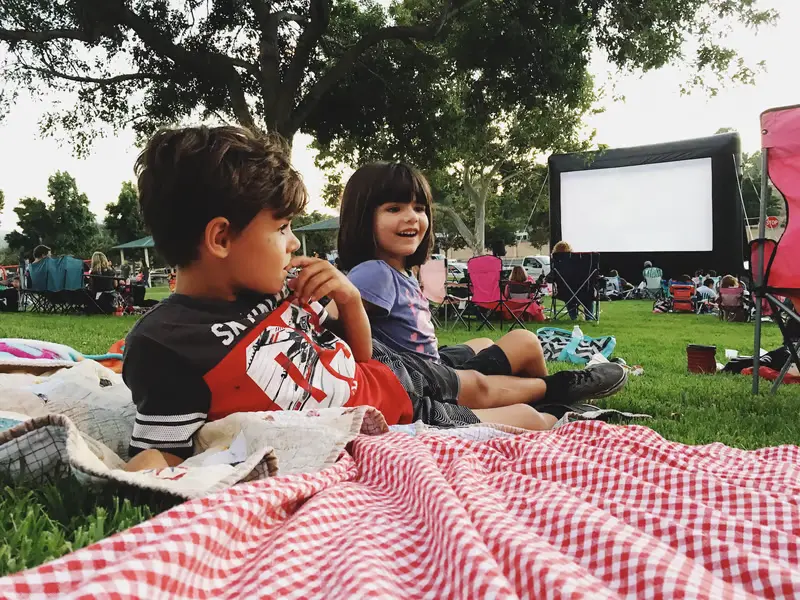
Families may prefer outdoor cinema screenings, children’s workshops, educational activities, puppet shows, or interactive museum programs. The best choice depends on age suitability, facilities, accessibility, and expected duration. Parents should confirm supervision requirements and whether children need separate tickets. A well-matched activity makes events happening today more enjoyable for everyone attending.
How to Choose the Right Same-Day Outing
Match the Event With Your Time and Interests
The most attractive event is not necessarily the most suitable one. A concert across town may sound appealing, but a nearby exhibition could be a better choice if only two hours are available. Start by deciding how much time you can realistically spend, including travel, waiting, and returning home.
Next, consider the experience you want. Someone seeking a relaxed afternoon may prefer a book fair or garden event, while a group looking for excitement might choose a live performance or sports match. Reviewing the event description, photographs, audience information, and schedule can help you decide whether it matches your expectations.
Check Location, Transport, and Accessibility
Travel arrangements can determine whether a spontaneous outing is practical. Check the distance, public transport availability, parking arrangements, and expected traffic conditions. An event that appears nearby on a map may still require considerable travel during busy periods.
Accessibility deserves equal attention. People with mobility needs should check entrances, ramps, accessible toilets, seating, and available assistance. Families may need information about stroller access and child-friendly facilities. Reliable event organizers should provide clear details or a contact route for accessibility questions.
Confirm Tickets, Costs, and Entry Rules
Some activities are free, while others require advance tickets or on-site payment. Free entry does not always mean unrestricted access. A public workshop may require registration because spaces are limited, and a free concert may still use timed entry.
Check the total cost before leaving. Consider admission, transport, parking, food, equipment, and additional activities. Also review age limits, identification requirements, dress expectations, and rules about photography or outside food. A few minutes of preparation can prevent unnecessary inconvenience when attending events happening today.
Making the Most of Real-Time Outings
Good same-day planning should be flexible without becoming careless. Weather conditions, traffic, crowd levels, and schedule changes can affect an event at short notice. Check the forecast for outdoor activities and look for organizer updates before departure. If the original plan becomes impractical, identify a nearby alternative rather than allowing the entire outing to fail.
Arriving at a sensible time can improve the experience. Reaching a busy market early may provide easier access to vendors, while arriving before a performance can reduce pressure at the entrance. For informal community gatherings, arriving near the advertised start time can help visitors understand the schedule and participate in opening activities.
It is also useful to keep expectations realistic. A small local festival may not have the scale of a major city event, but it may offer more direct interaction with performers and organizers. Similarly, an independent exhibition may provide a quieter and more personal experience than a large attraction. The value of an outing depends on what it offers, not simply how many people attend.
Respect for the venue and other visitors matters as well. Follow photography rules, dispose of waste responsibly, respect restricted areas, and be considerate of performers and nearby residents. When attending community activities, supporting local vendors and following organizer instructions helps preserve the experience for future visitors.
How Event Organizers Can Attract Same-Day Visitors
Event organizers can make their activities easier to discover by publishing accurate, timely information. A useful listing should clearly state the event name, date, start and finish times, address, entry price, registration requirements, and contact details for event-related questions. Vague descriptions create uncertainty and may discourage people from attending at short notice.
Updates are especially important for events happening today. Organizers should communicate changes through the same channels where the original event was promoted. If a performance is delayed or an outdoor activity moves indoors, a clear update can prevent visitors from travelling to the wrong place or arriving at the wrong time.
Visual content can also help people understand what to expect. Recent photographs, short videos, venue images, and clear descriptions show the atmosphere and nature of the activity. However, promotional material should represent the actual experience rather than creating unrealistic expectations. Trust is more valuable than exaggerated claims.
Local partnerships can increase visibility. Businesses, community groups, tourism organizations, educational institutions, and cultural venues may share relevant announcements with their audiences. These partnerships help smaller organizers reach people who are already interested in local activities.
Finally, organizers should make attendance as straightforward as possible. Clear directions, simple registration, transparent pricing, accessible facilities, and visible staff support reduce friction. When people can understand an event quickly and feel confident about attending, they are more likely to make a same-day decision.
Conclusion
Finding enjoyable activities does not always require advance planning. Local festivals, live performances, food markets, exhibitions, sports, and community gatherings can all provide meaningful ways to spend free time. The key is knowing where to search and how to verify information before setting out.
The best approach to finding events happening today combines online listings, official organizer updates, community recommendations, and practical planning. Check the schedule, location, costs, transport, and entry conditions before leaving. With a little preparation and an open mind, an ordinary day can become an opportunity to explore a neighborhood, support local culture, and enjoy a new experience.
FAQs
1. How can I find events happening today near my location?
Start with local event calendars, map applications, ticketing platforms, and community social media groups. Search by activity and neighborhood, then confirm the date, time, location, and entry details through the organizer’s official channel.
2. Are there free events available today?
Yes, many communities offer free public concerts, exhibitions, markets, outdoor activities, library programs, and cultural gatherings. Check whether registration is required, because some free events have limited capacity or use timed entry arrangements.
3. How do I know whether an event listing is current?
Check the organizer’s official website or recently updated social media account. Compare the advertised date and venue with the latest announcement. If details are unclear, contact the venue before travelling.
4. What should I check before attending a same-day event?
Confirm the event schedule, address, ticket availability, total cost, transport options, accessibility, and entry rules. For outdoor activities, review the weather and check for last-minute changes before departure.
5. Can families find suitable local entertainment at short notice?
Families can look for children’s workshops, museum activities, public festivals, outdoor performances, and recreational programs. Always check age suitability, supervision rules, facilities, and ticket requirements before choosing an activity.