
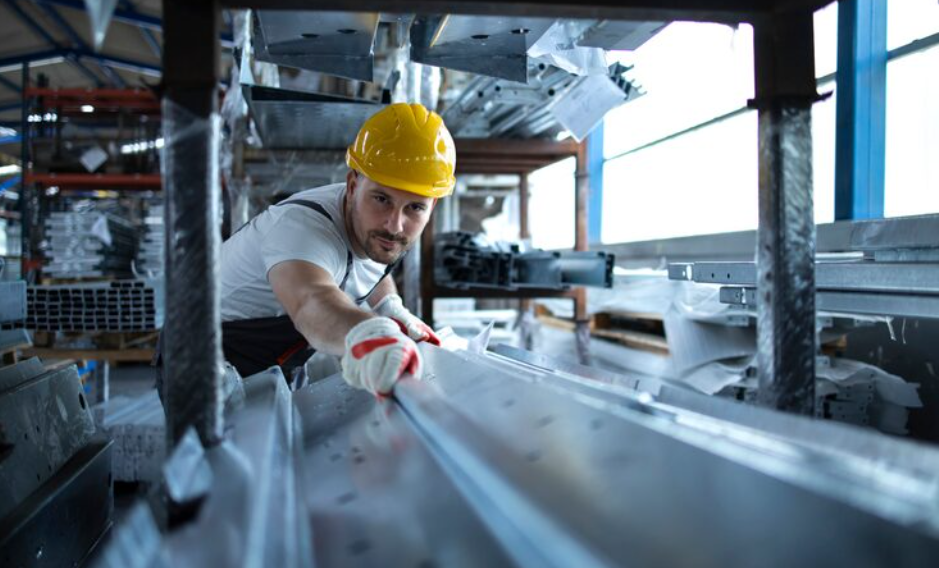
Metal components are used in many industries, including construction, manufacturing, transportation, and engineering. These components must be strong, durable, and suitable for their intended purpose. The quality of the materials and the manufacturing process both play an important role in achieving these results. Plate fabrication is one of the key processes used to turn flat metal sheets into useful and reliable components. It involves cutting, shaping, bending, and joining metal plates to create products that meet specific requirements. This process helps businesses produce metal parts that offer strength, accuracy, and long-term performance.
Understanding the Plate Fabrication Process
Plate fabrication is a manufacturing process that transforms flat metal plates into different shapes and structures. It can involve several techniques, such as cutting, welding, drilling, bending, and forming. Each step is carefully planned to make sure the finished component meets the required measurements and design specifications.
Different metals, including stainless steel, carbon steel, and aluminum, can be used depending on the project’s needs. The choice of material depends on factors such as strength, weight, durability, and resistance to corrosion. Professional plate fabrication allows manufacturers to work with these materials and create components for different applications.
Improving the Strength of Metal Components
One of the main benefits of plate fabrication is its ability to produce strong metal components. Proper cutting, shaping, and welding techniques help maintain the structural quality of the material. This is especially important for components used in heavy machinery, industrial equipment, and construction projects.
Strong metal parts can handle pressure, weight, and regular use without losing their original shape easily. Skilled fabrication workers also pay attention to joints and connections because weak joining points can affect the strength of the entire structure. With suitable fabrication methods, manufacturers can create components that perform reliably under demanding conditions.
Achieving Accurate Shapes and Measurements
Accuracy is another important part of successful metal fabrication. Many industrial projects require components with specific sizes, shapes, and thicknesses. Even small measurement errors can cause problems during assembly or affect the performance of the final product.
Modern plate fabrication often uses advanced cutting equipment and computer-controlled machines to achieve precise results. These technologies help reduce material waste and improve consistency during production. Accurate fabrication also makes it easier to fit different metal parts together, saving time during installation and assembly.
Supporting Different Industrial Applications
Plate fabrication is useful in many industries because it can produce a wide range of metal components. In construction, fabricated plates are used in structural supports, frames, and building connections. Manufacturing companies use them to create machine parts, equipment housings, and industrial structures.
The process is also valuable in transportation, energy, and agriculture. Each industry has different requirements, so fabrication methods can be adjusted to suit particular projects. This flexibility allows businesses to produce standard components as well as custom metal parts designed for specific purposes.
Increasing Durability and Long-Term Performance
Durability is essential when metal components are exposed to regular use, heavy loads, moisture, or changing temperatures. Quality plate fabrication helps create products that can withstand these conditions. Proper welding, finishing, and material selection can reduce the risk of cracks, weak joints, and premature damage.
Additional treatments, such as protective coatings, can also help prevent rust and corrosion. When components are manufactured with care, they generally require fewer repairs and can provide reliable service for many years.
Conclusion
Plate fabrication plays an important role in creating strong, accurate, and reliable metal components. Through proper material selection, advanced cutting methods, careful shaping, and quality welding, manufacturers can produce parts for many industrial applications. It also improves durability, supports custom designs, and helps businesses achieve consistent results. Choosing professional plate fabrication services can make a valuable difference in the quality and long-term performance of metal products.