


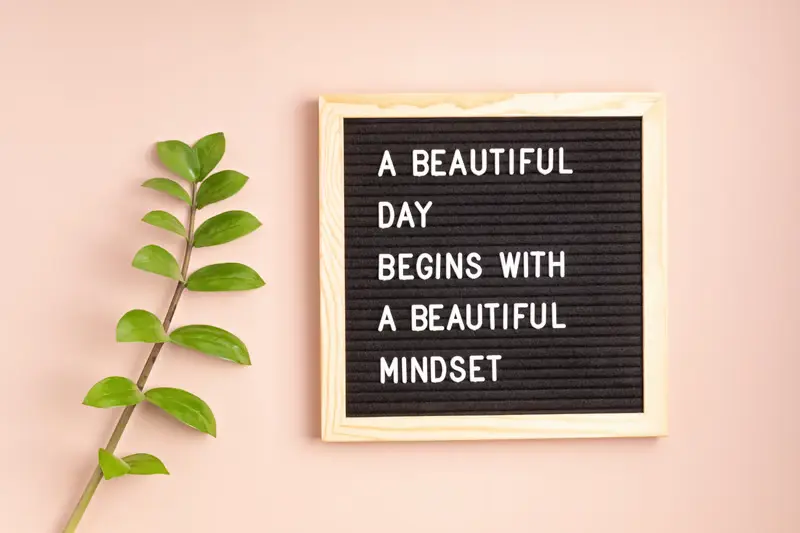
Personal growth often begins with a small moment of honesty. Imagine setting a goal to exercise regularly, learn a new skill, or become more confident. You start with excitement, but after a few difficult days, your motivation disappears. You begin questioning whether you can actually change. Then you read a simple reminder: progress does not require perfection. It requires consistency.
That is where personal growth quotes motivation can make a difference. A meaningful sentence can help you pause, reconsider your attitude, and approach a challenge differently. However, reading inspirational words is only the first step. Real improvement happens when you connect those words with daily decisions, honest reflection, and practical action.
This article explains how to choose meaningful quotes, use them to develop a stronger mindset, recognize common self-improvement mistakes, and turn daily motivation into lasting personal progress.
Why Personal Growth Quotes Can Strengthen Your Mindset
Words influence how people interpret experiences. A short statement about patience, courage, or discipline can remind you of something important when you feel uncertain. Personal growth quotes motivation can also provide a useful starting point for reflecting on your habits and expectations.
The most effective quotes do not promise instant success. They encourage responsibility, patience, and realistic thinking. For example, a reminder that progress takes time can help someone continue learning after making mistakes instead of giving up.
Motivation and a Positive Mindset
Motivation can help you begin a task, but it naturally changes throughout the day. You may feel enthusiastic on Monday and exhausted by Thursday. This is normal. A positive mindset does not mean feeling happy all the time. It means developing a constructive response when situations become difficult.
Consider someone preparing for a professional examination. A quote about persistence may encourage them to study after receiving a disappointing practice score. The useful part is not the sentence itself. It is the decision to review mistakes and try again.
Building Confidence Through Reflection
Confidence develops through experience, preparation, and evidence that you can handle challenges. Reading personal growth quotes motivation may remind you to recognize your strengths instead of focusing only on weaknesses.
Try writing down one thing you handled well each evening. It could be completing a difficult task, asking for help, or remaining calm during a disagreement. These small observations help create a more balanced view of your abilities.
How to Choose Quotes That Support Real Growth
Not every inspirational statement deserves your attention. Some quotes sound impressive but offer little practical value. Others promote unrealistic expectations, such as becoming successful without effort or avoiding every negative experience.
Choose statements that connect with your actual goals and encourage useful behavior. Personal growth quotes motivation should challenge you without creating unnecessary pressure.
Focus on Meaning Instead of Popularity
A quote does not become valuable simply because it appears on thousands of social media posts. Think about what the words mean in your current situation. A statement about patience may be useful when developing a skill, while a message about courage may help when making an important decision.
You can also create your own reminders based on personal experience. For example, write, “I can improve by practicing one difficult skill for twenty minutes each day.” This is specific, realistic, and connected to an action you can control.
Match Quotes With Your Personal Goals
Choose different reminders for different areas of life. Career development may require discipline and learning, while relationships may require patience and communication. Health goals may benefit from reminders about consistency rather than extreme effort.
Keep a small collection of personal growth quotes motivation that genuinely connects with your priorities. Review them when needed, but avoid collecting hundreds of statements without applying any of them.
Turning Daily Reflection Into Meaningful Action
Reflection helps you understand why certain habits succeed while others fail. It allows you to notice patterns instead of repeating the same decisions automatically. When you connect inspirational ideas with reflection, you give motivation a practical purpose.
Start with five minutes at the end of the day. Ask yourself what went well, what felt difficult, and what you could change tomorrow. Write honest answers rather than trying to make every day look successful.
For example, if you planned to read for thirty minutes but spent the evening scrolling through your phone, identify the reason. Perhaps your phone was beside you, or your reading goal was too demanding after a tiring workday. A practical adjustment could be placing your phone in another room and beginning with ten minutes of reading.
Personal growth quotes motivation can support this process by reminding you that one unproductive day does not define your ability to improve. The important step is returning to the habit instead of using a temporary setback as an excuse to stop.
You can also use quotes as journal prompts. A statement about learning from failure might lead you to examine a recent mistake. A reminder about self-respect might encourage you to consider whether you are setting healthy boundaries. This turns inspirational reading into a more personal exercise.
Common Self-Improvement Mistakes and How to Fix Them
Personal development is not always a straight path. People often make predictable mistakes because they expect change to happen quickly or rely too heavily on temporary motivation. Recognizing these problems can make improvement more manageable.
One common mistake is setting too many goals at once. Someone may decide to exercise daily, wake up early, change their diet, read books, and learn a language in the same week. After a few days, the routine becomes overwhelming. The solution is to choose one or two priorities and build consistency before adding more.
Another mistake is waiting until motivation feels strong. Motivation is unreliable, especially when you are tired or busy. Create a simple routine that does not depend on your mood. If you want to write regularly, set a fixed time and begin with a small daily target.
A third mistake is comparing your progress with other people. Social media often shows achievements without showing the effort, delays, or setbacks behind them. This comparison can make normal progress feel inadequate. Instead, compare your current habits with your own starting point.
Personal growth quotes motivation can become another distraction if you read inspirational content but never take action. You may save dozens of quotes, watch motivational videos, and still avoid the difficult task you need to complete. Spot this pattern by asking whether your behavior has changed. If not, choose one practical action and complete it before consuming more motivational content.
Finally, avoid treating mistakes as proof of personal failure. A missed workout or unfinished project is information, not a permanent judgment about your character. Review what happened, adjust your approach, and restart with a manageable step.
Conclusion
Personal growth depends on consistent actions, honest reflection, and the willingness to learn from difficult experiences. Inspirational words can help you remember your priorities, but lasting change comes from applying their meaning.
Use personal growth quotes motivation as reminders rather than substitutes for effort. Choose statements that reflect your goals, build realistic routines, recognize mistakes, and measure progress over time. You do not need to transform your entire life in one day. Small improvements, repeated consistently, can gradually create meaningful results.
FAQs
1. How do personal growth quotes help improve motivation?
Personal growth quotes can provide encouragement when you feel uncertain or discouraged. They help you reconsider negative thoughts, remember your goals, and focus on constructive actions. Their value increases when you connect the message with a specific habit or decision.
2. How can I use motivational quotes every day?
Choose one meaningful quote in the morning and think about how it applies to your daily responsibilities. Write it in a journal or place it somewhere visible. At night, review whether your actions reflected its message and what you could improve.
3. Can quotes really change your mindset?
Quotes alone cannot change your mindset permanently, but they can introduce useful ideas and encourage reflection. Repeatedly applying those ideas through daily habits, learning, and better decisions can gradually influence how you respond to challenges.
4. What should I do when I lose motivation during personal growth?
Reduce your goal to a manageable action and begin again. Review why your motivation dropped, remove unnecessary obstacles, and focus on consistency rather than perfection. You can also seek support from someone who understands your goals and encourages realistic progress.
5. How do I choose the best personal growth quotes for my goals?
Choose quotes that address a real challenge in your life. Look for messages about discipline, patience, confidence, resilience, or self-awareness, depending on your needs. Avoid statements that promise instant success or encourage unrealistic expectations. Prefer words that inspire practical action.